
My shop

Why Silk in Wool Yarn for Handcraft Is Functionally Superior

The composition of a yarn determines not only its feel, but also its thermal performance, moisture management, and mechanical stability. What matters is not just the percentage of wool, but the ratio of the individual fibers.

1. Dominant Wool: The Basis for Thermal Function

With a wool content above approx. 50%, wool determines the thermal properties of the material:

  • it forms the main structure of air inclusions,
  • ensures thermoregulation,
  • creates a microclimate between skin and textile.

However, the effect of additional fibers strongly depends on their type and proportion.
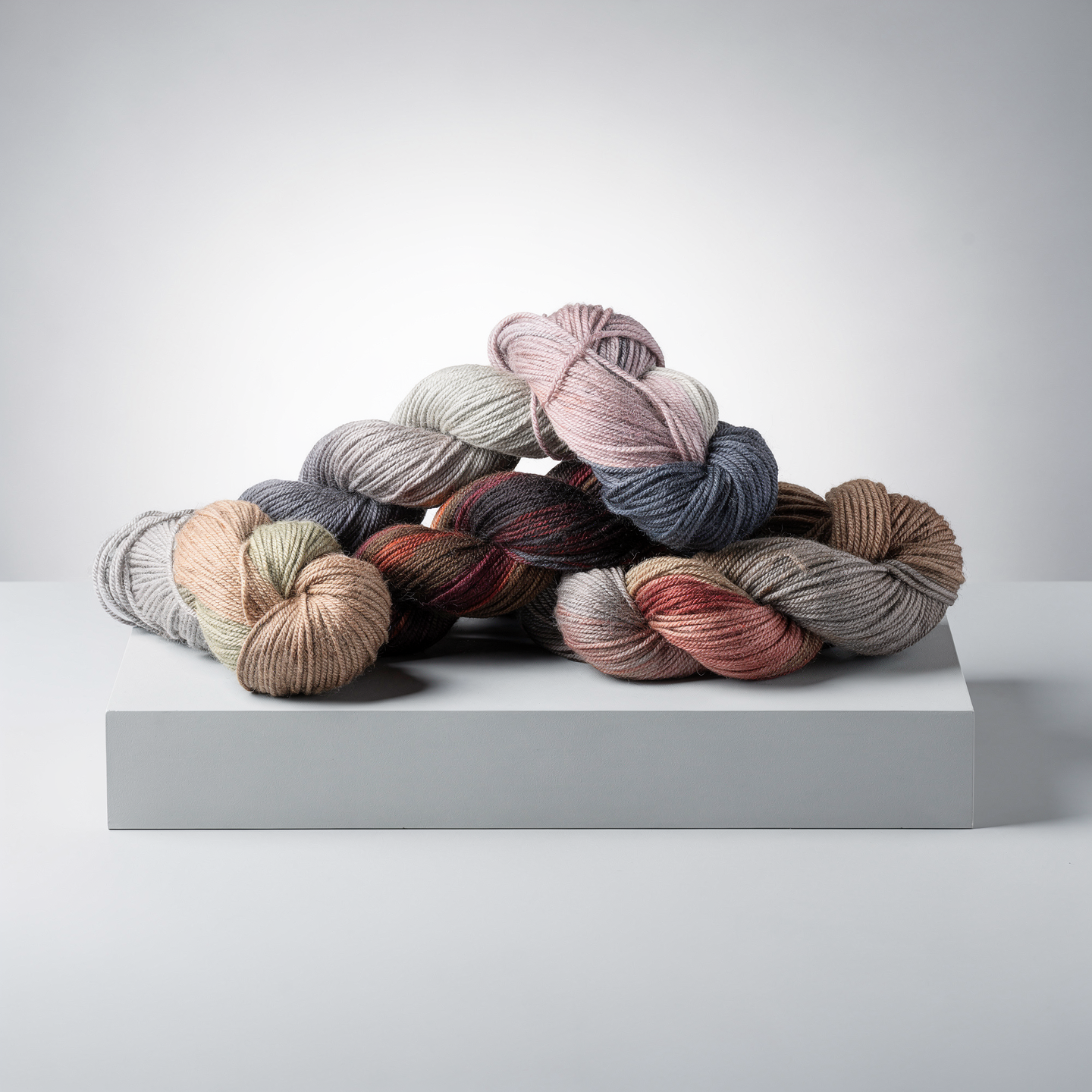
Balls of wool yarn with silk content

2. Wool + Silk + Synthetics: A Functional State of Balance

With wool content of 50–65%, silk added at 10–25%, and synthetic fibers at 20–40%, a functionally optimized yarn is created.
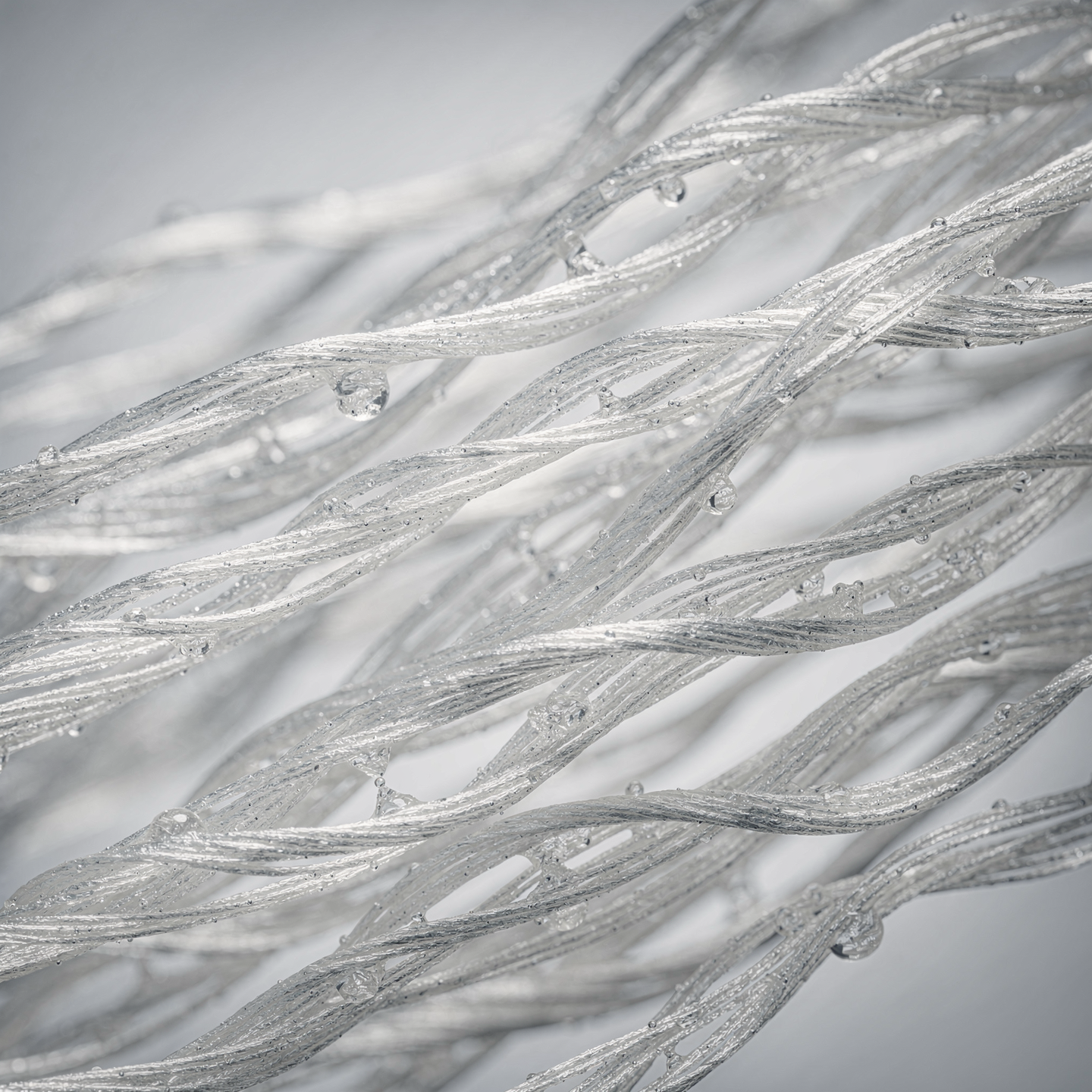
Microscopic image of silk fibers

Microstructural Effect

  • Silk stabilizes the three-dimensional structure of wool,
  • reduces uncontrolled felting,
  • supports the preservation of air volume within the fabric.

Unlike synthetic fibers, silk does not destroy the structure of wool but integrates functionally.

Result: warmth remains stable and evenly distributed for longer.


3. Comparison: Wool + Cotton

With wool content above 50% and cotton added in a range of 10–30%, the structure changes differently:

  • Cotton has short, straight fibers,
  • is highly hydrophilic and strongly absorbs moisture,
  • disrupts the three-dimensional structure of wool.

Consequence: air inclusions decrease and thermal efficiency declines.

4. Comparison: Wool + Synthetics

An increased synthetic content of 35–50% combined with 50–60% wool:

  • provides mechanical stabilization,
  • improves abrasion resistance,
  • but leads to a denser, less airy structure.

Consequence: warmth remains less consistent and thermoregulation is restricted.

5. Dependence on the Blend Ratio

The effect of silk is not linear:

  • with very high wool content (~70%), silk mainly enhances softness and elasticity, with less impact on warmth,
  • with medium wool content (~50–60%), silk develops its maximum structural effect,
  • with low wool content (<40%), silk cannot compensate for the thermal function of wool.

Silk therefore acts as a structural modifier, not merely as a “wool enhancer.”

6. Mechanical Stability and Durability

In yarns with dominant wool (>50%) and moderate proportions of silk and synthetics:

  • silk reduces friction between wool fibers,
  • minimizes felting and pilling,
  • increases fabric flexibility,
  • synthetics ensure abrasion resistance and shape retention.

Result:
The finished product retains its shape, volume, and thermal performance for longer.

Practical Recommendation When Buying

For hand-knitted products, yarn is recommended in which wool forms the main component and is complemented by a moderate addition of silk and functional synthetic fibers.

This ratio ensures that socks or sweaters:
  • reliably retain warmth,
  • regulate moisture more effectively,
  • remain durable and dimensionally stable, maintaining their structural integrity even with prolonged use.
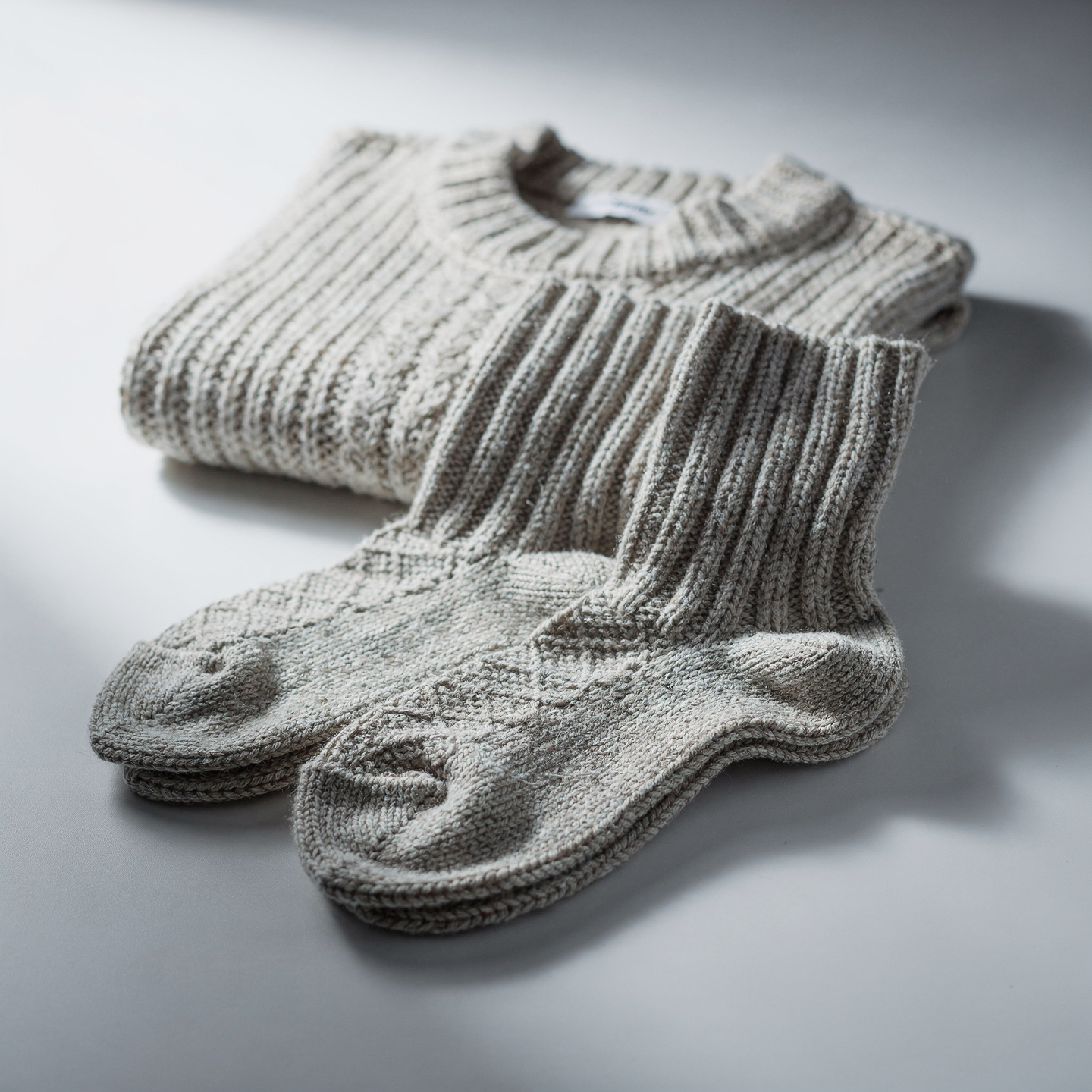
Sweater and socks made from wool yarn with silk content

How do you choose truly warm socks? Read more in our article The Physics of Warm Feet.

Check out our new arrivals!
Free shipping