Items in the cart:
Cart is empty
The decomposition time of clothing—also known as textile degradation time—describes how long a material takes to fully break down in the environment. For synthetic fabrics, this decomposition period can range from 200 to 500 years. Natural fibers, on the other hand, decompose within a few months or years. This duration directly determines the ecological footprint of clothing.
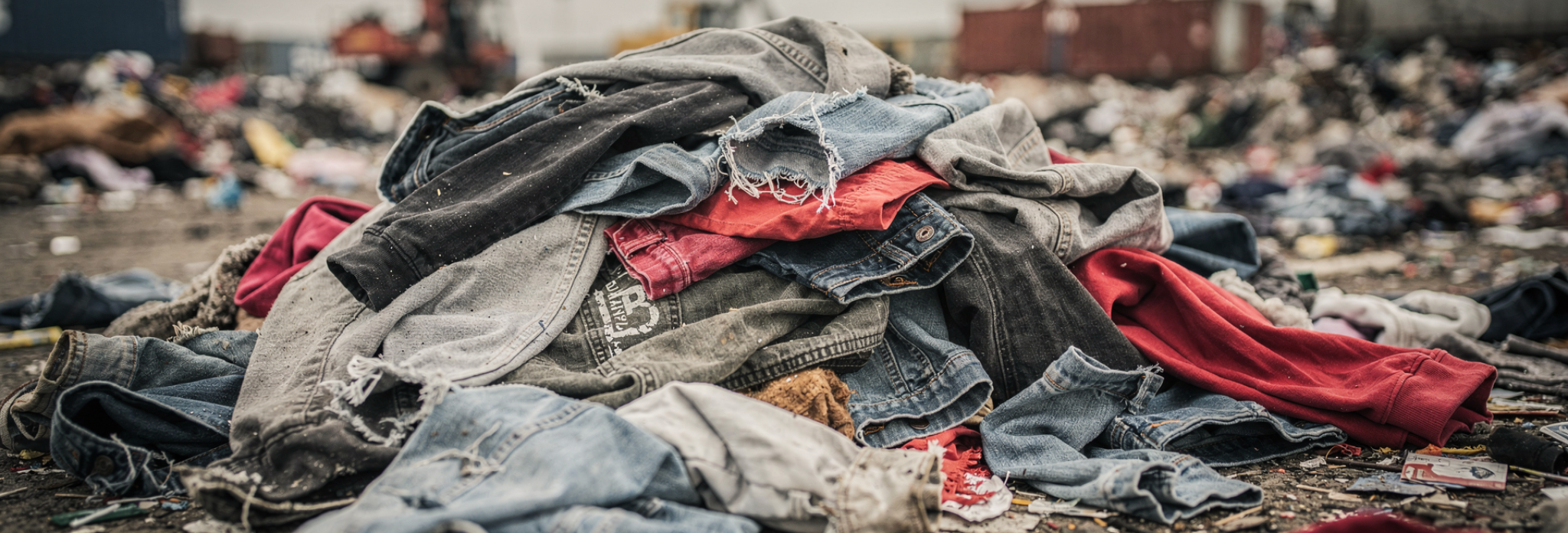
Every year, around 100 billion garments are produced worldwide. At the same time, textile waste accounts for about 7% of global landfill waste.
What is considered a trend today can become centuries of environmental burden tomorrow.
This is the other side of fast fashion—an industry built on mass production and rapid consumption. With every purchase decision, the ecological footprint grows.
The degradation time of textiles strongly depends on the material:
In short: A T-shirt can last longer than some historic buildings. A legacy no one intended.
Synthetic fibers such as polyester or acrylic are extremely durable—but not in a positive way. During their slow decomposition, microplastic particles are released, polluting soil, waterways, and ultimately the food chain.
The short usage period of many garments is disproportionate to their long decomposition time.
The key difference between natural and synthetic materials lies in biological degradation and lifecycle impact.
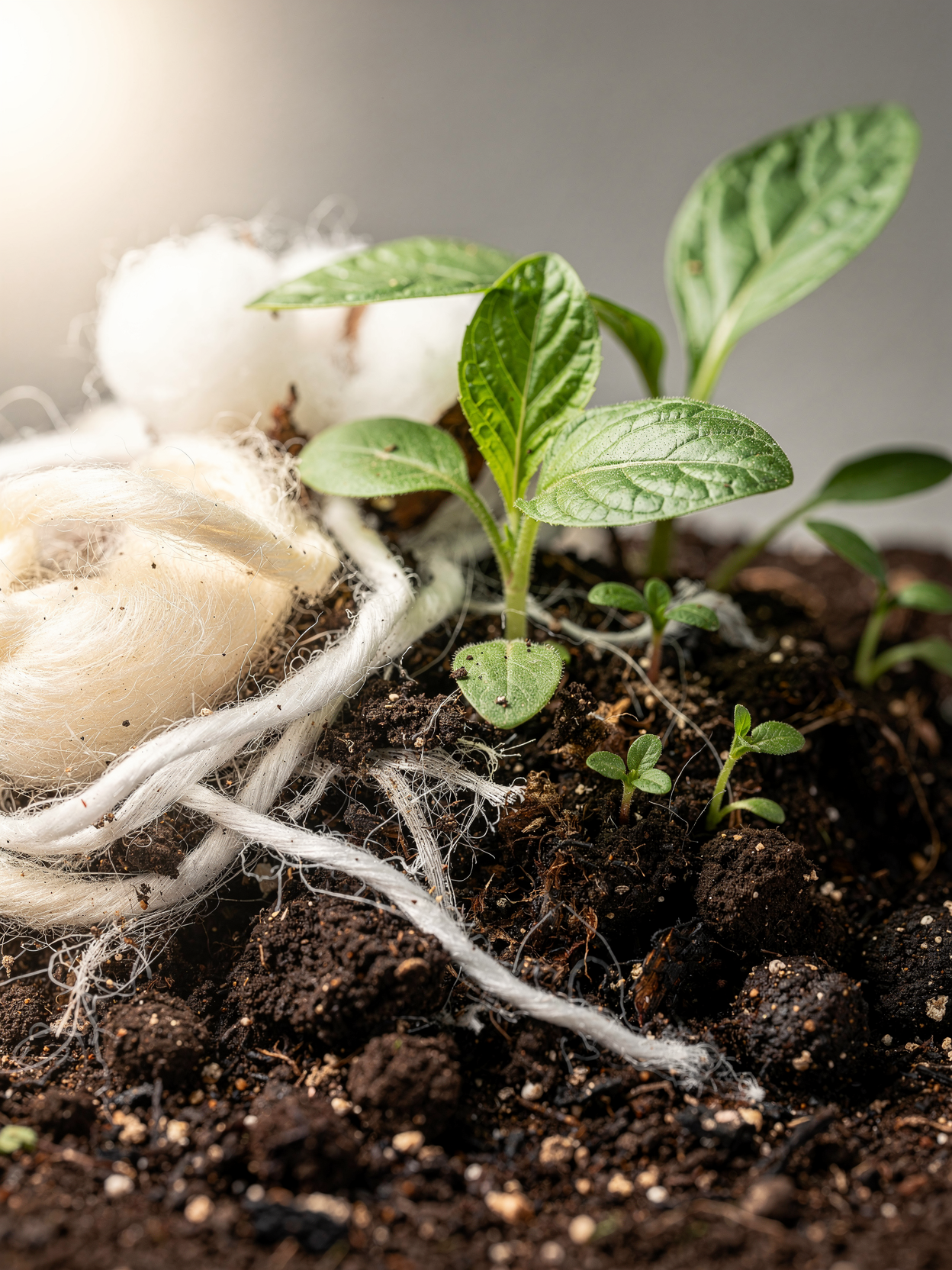
Cotton (3 months to 5 years) and wool (1–5 years) are biodegradable textiles. Leather (10–50 years) is also a natural material that decomposes without leaving synthetic residues.
During biological degradation:
Natural fibers therefore support a closed resource cycle—a central principle of sustainable fashion.
Synthetic clothing is usually made from petroleum-based polymers. These materials are not biodegradable and remain in the environment for 200 to 500 years. Additionally, washing releases microplastics that enter rivers and oceans through wastewater.
Anyone looking for eco-friendly clothing should pay close attention to material composition.
Sustainable fashion means considering the entire lifecycle of a garment—from raw material extraction and production to disposal.
The choice between natural and synthetic fibers affects:
A low sale price can have a very long environmental impact.
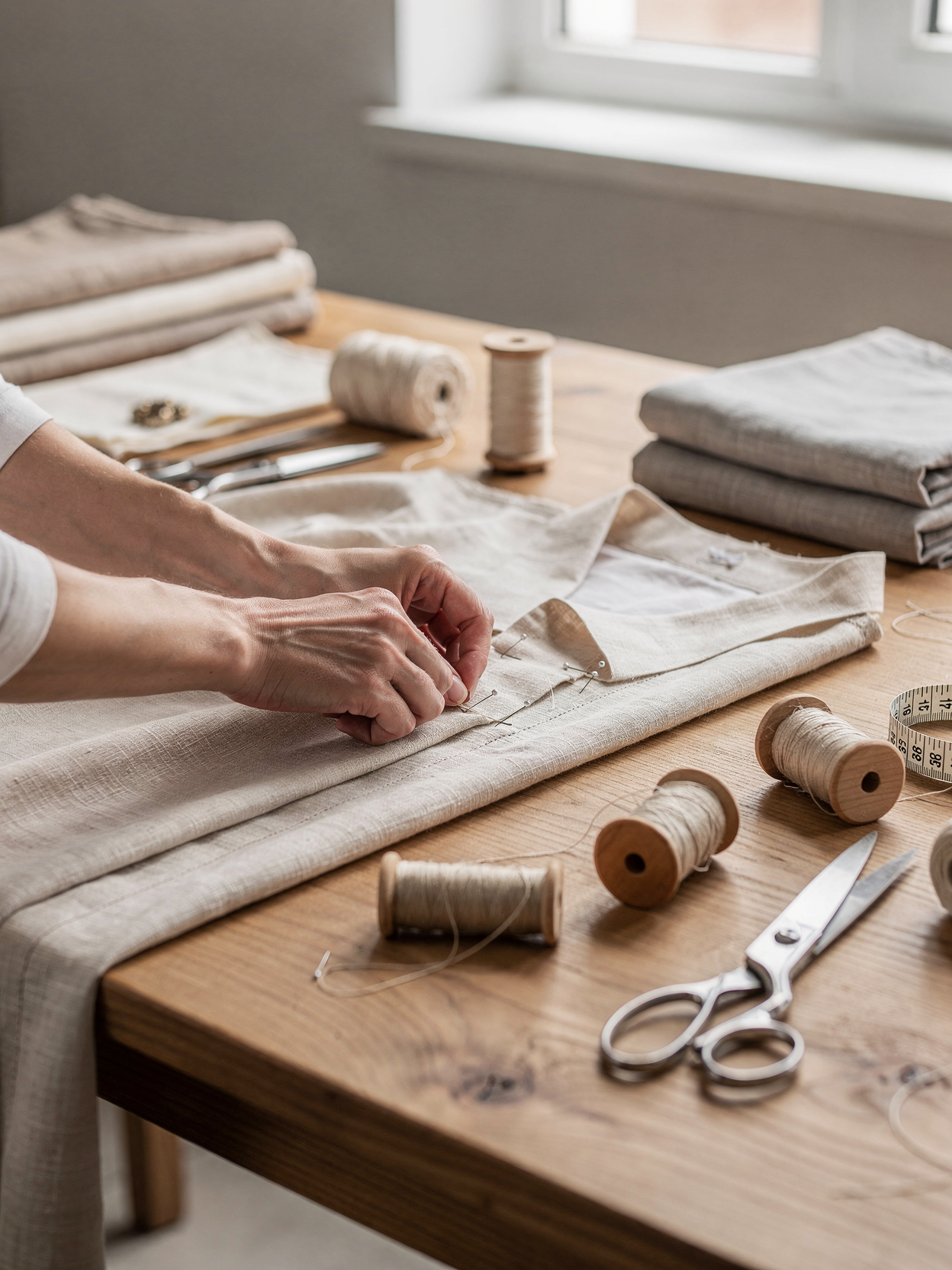
Beyond material choice, production methods also play a decisive role. Mass production encourages overconsumption and short usage cycles. Handmade products, in contrast, stand for quality, durability, and conscious consumption.
On the FriendsFair.eu marketplace, you will find handmade products made from natural materials—from knitted accessories and sewn clothing to jewelry and home décor.
Handmade means:
By shopping at FriendsFair.eu, you support sustainable fashion, reduce textile waste, and promote responsible consumption.
Sustainable consumption does not mean buying nothing. It means making more conscious decisions:
What is it made of? How was it produced? How long will it be used? What happens afterward?
Choosing cotton (3 months to 5 years) or wool (1–5 years) instead of acrylic (over 200 years) significantly reduces textile decomposition time and the ecological footprint.
And if something is meant to last for centuries, let it be a craft tradition—not a forgotten acrylic sweater.
● Which socks truly keep you warm? Read more in our expert article The Science of Socks .